Making a podcast from scratch for the Sony Music Podcast Academy
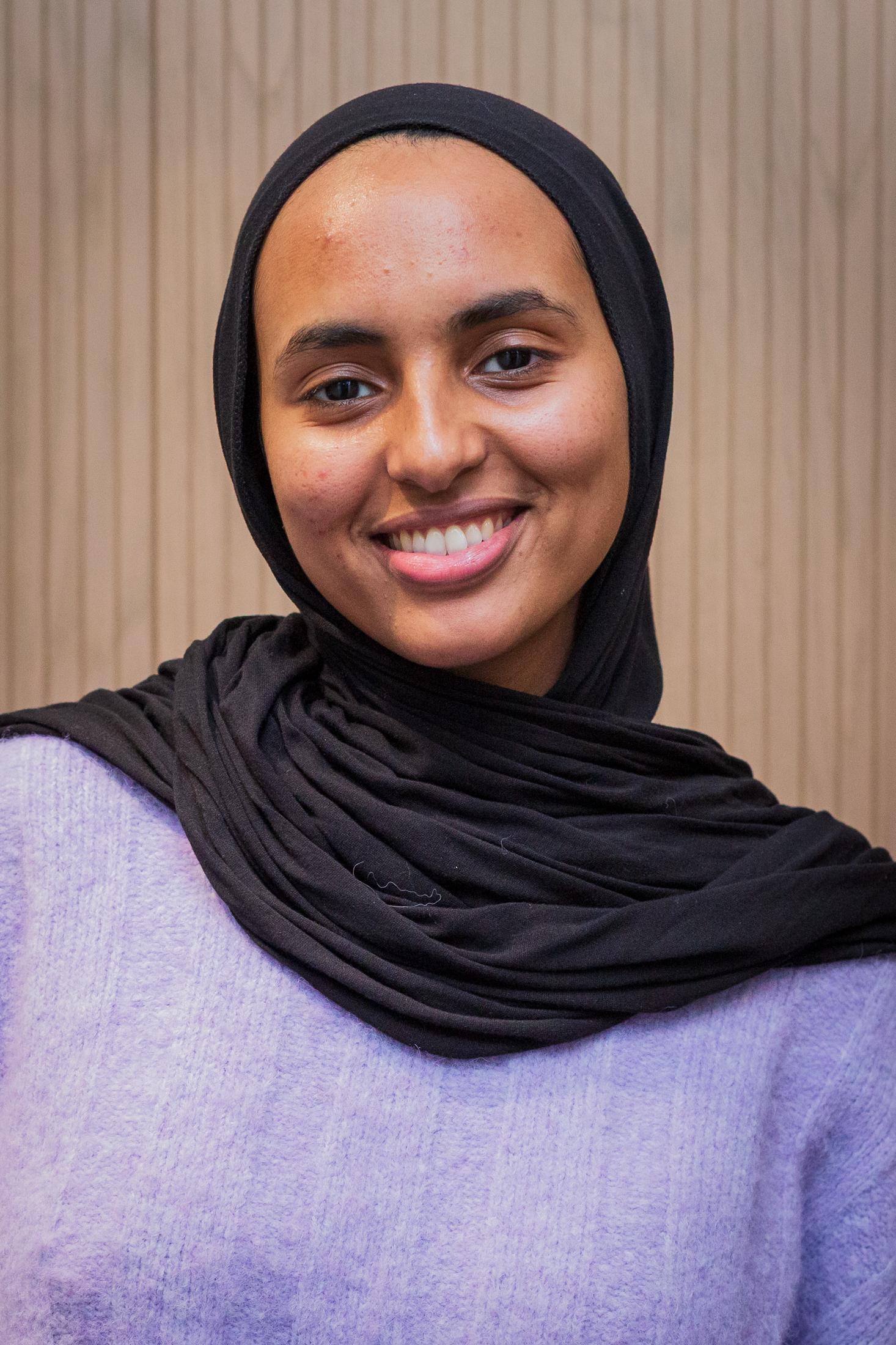

When I got the email saying I’d made it onto the inaugural Sony Music Podcasting Academy course, I was so excited. For too long I had been doing creative pursuits freelance or on my own, and I’d forgotten how stimulating it is to be involved in group projects, especially one for an established company like Sony Music Entertainment. The programme lasted six weeks and was packed with carefully thought-out and curated talks, audio workshops and delicious lunches, all put together by Fran Plowright, head of Meet a Mentor, with support from Memoona Naushahi, Sony Music Podcasts Matt Smith and the rest of the team there. Throughout the programme they provided such a fantastic experience supporting our cohort of 12 that I kept asking myself when the catch would be revealed, when they would ask for a payment for the course.
The podcast production element took place over three weeks within the six-week course. We created a podcast pilot from scratch in our small groups of four, where we ideated, scripted, produced and directed a pilot that was shown to a room of Sony Music staff and key figures in the world of podcasting and audio production. My team and I put together a podcast based on things we had experience with or things important to us. We discussed involving a young person, adding an educational element, including lots of comedy and making something that brought the whole family together, bridging the gap between young and old. We eventually came up with the idea to create “Sorry, I Don’t Speak Grown Up,” a podcast with a child host interviewing adult guests about their careers and lives.

The podcast host was a young person recruited from my old youth-work job, and the guests consisted of a content creator, a stand-up comedian, a Sony Music Podcasts producer and the host’s older sister. Each guest took part in a 30-minute interview that began with a “Would You Rather” ice-breaker, with questions such as “Would you rather drink orange juice or apple juice for the rest of your life?” This was followed by several questions about their childhood dreams and their current careers. The podcast ended with the guest teaching the young host a skill and offering one piece of advice for the future, with the host responding and closing the episode with their signature catchphrase: “Sorry, I don’t speak grown up.”

Putting the podcast together required both team collaboration and independent initiative. Some days we would come together as a group to ask questions, review edits and give feedback on how we could improve certain parts. Other days saw our podcasting group split up to work on pitch decks, editing and musical jingles. The podcast was inspired by Amelia Dimoldenberg’s Chicken Shop Date and Little Ant and Dec, and also incorporated an original musical score put together by one team member with a background in music production. The jingle added another fun and unique element to the project and really brought the group together as everyone got to play to their strengths. Creating the podcast also helped us put into practice the lessons we were taught on the course, using tools many of us had not used before, such as Zoom mics, Premiere Pro and more.
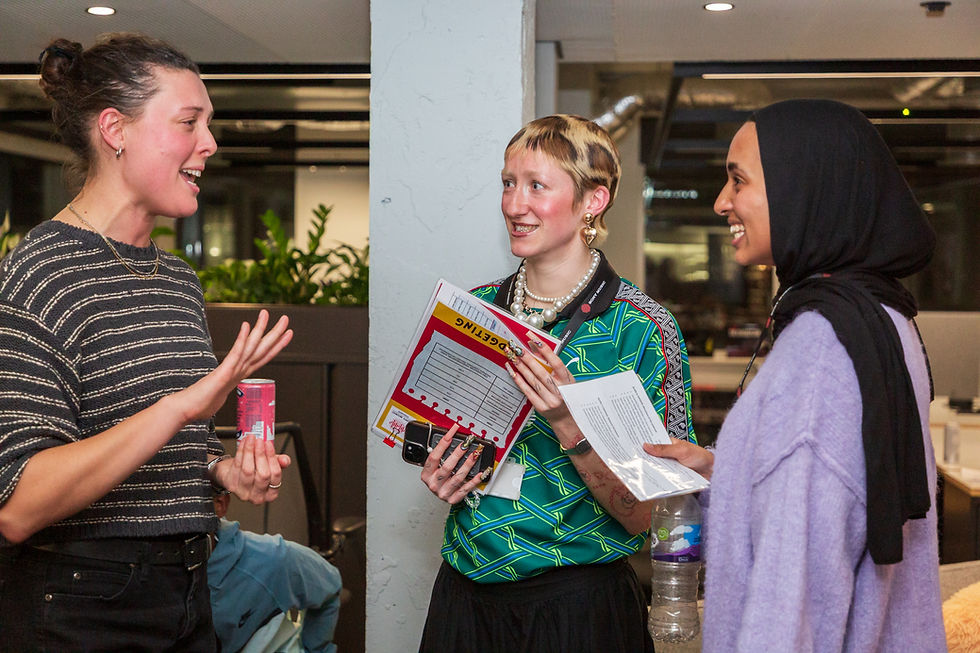
The final showcase, where the podcasts were presented, was our real test. When we presented our full podcast, it was met with raucous laughter and applause. Key comedic moments from our child host, asking adults the questions we all secretly want to know or awkwardly pausing when given odd answers, landed perfectly. One such moment was when the host asked “What’s one lie you told as a child?” and the adult responded, “I’m not proud of this, but one time I stole from my own house!”.
The end-to-end production of the podcast was such an invaluable experience and something I can truly say I had so much fun making. I believe it was a direct result of the confidence and skills the academy instilled in us. Many times, myself and the cohort spoke about imposter syndrome or feeling like we could never have created something like this before, but what was beautiful about the academy was that it showed us we had it in us all along and we just needed someone to help us along the way a little.
I’ll forever be grateful to Fran, Matt and Memoona for reigniting my belief in myself as a creative and reminding us all that we already have it within us.


Comments